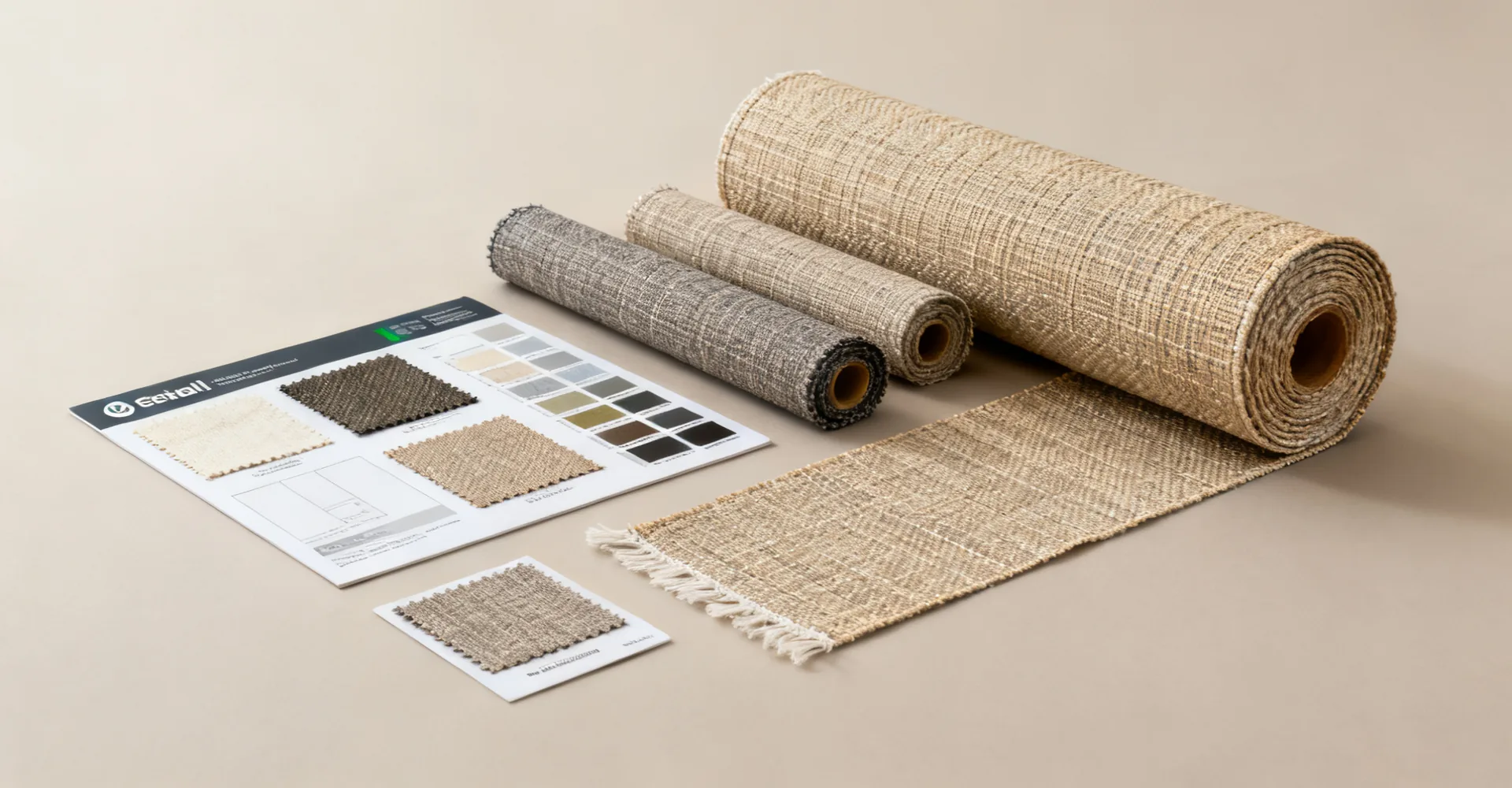
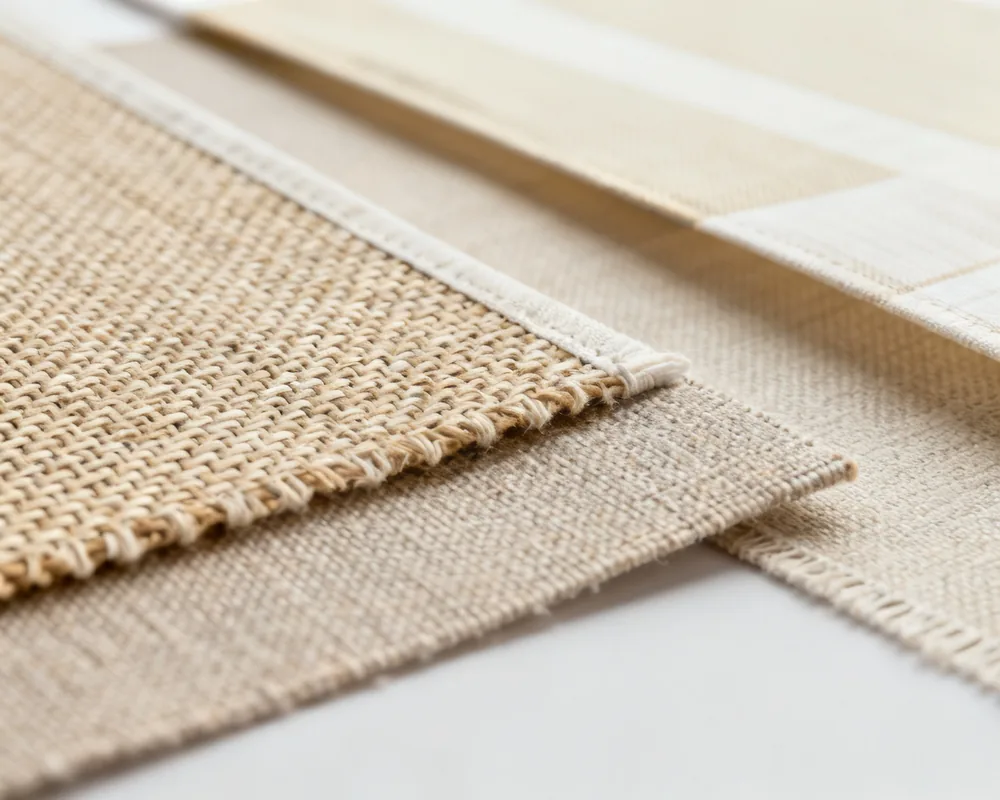
wide awning textile study showing woven shade cloth rolls, fabric swatches and inspection samples without logos

Outdoor material decisions begin with exposure, construction and a reference sample.

Dickson awning fabric — choose the cloth behind the shade.

Discuss your fabric requirements
  1. Define shade exposure
  2. Compare cloth construction
  3. Record sample approval

Awning cloth, considered from both sides

woven awning cloth construction samples

Construction before cutting

For Dickson awning fabric selection, start with fiber composition and weave construction. Compare GSM alongside usable width: mass describes a specimen, while cuttable width determines how a panel can be planned. Keep the warp direction and visible stripe orientation with the reference so that a repeat enquiry describes the same material.

Review awning materials
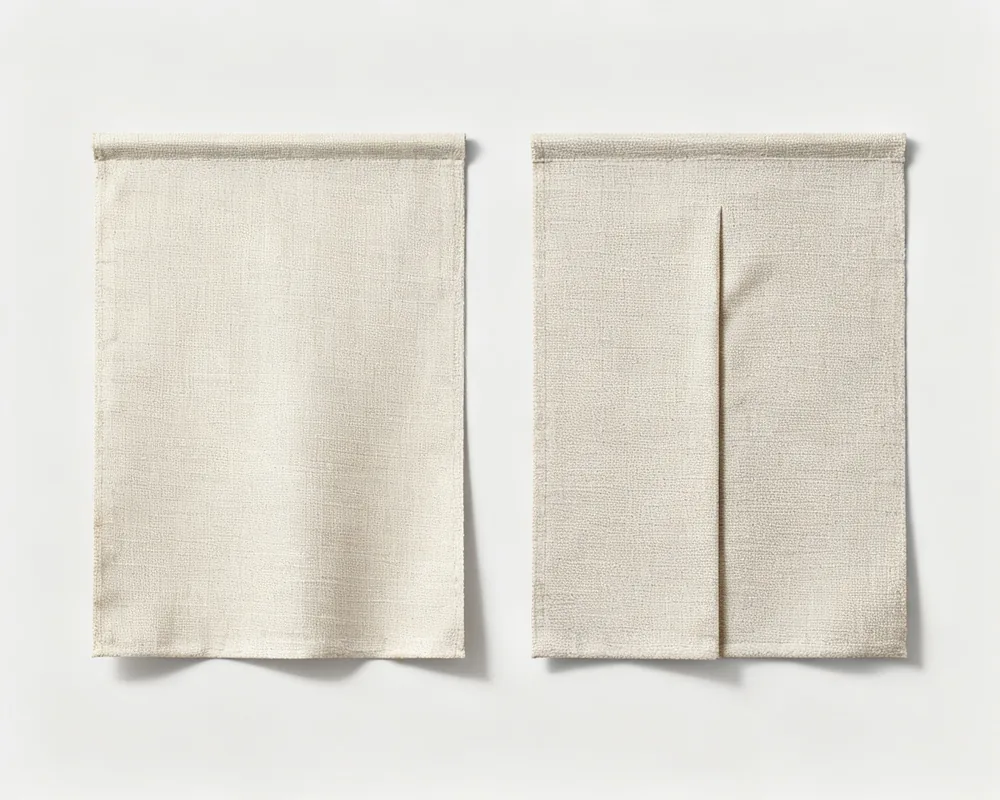
awning cloth face and reverse specimens

Finish in the weather

Examine the face, reverse and edge of a physical sample. A finish can affect water behaviour, surface feel and subsequent joining, but an outdoor use description alone does not identify a coating. Ask for the construction-specific care instructions and note whether a result concerns new cloth or a conditioned specimen.

Review awning materials

A reference that survives the handoff

  1. Define the brief

    Describe the shade location, expected wetting, cleaning routine and panel arrangement. Add a material reference and distinguish a required outcome from a preferred appearance. This gives the sample discussion a defined purpose.

  2. Review the sample

    Compare the sample face and reverse under the same lighting, then record shade, handfeel and finish. Attach the specimen date and identity to the approval note; a screen image is useful for orientation but cannot settle a close shade decision.

  3. Confirm the order context

    Keep quantity, destination and requested supply format beside the approval record. Confirm batch identification, roll length and the usable width needed for the cutting plan before evaluating a bulk proposal.

Put the material questions side by side

A concise brief links each target to a record that can be checked.

Fields to agree; no product performance is implied
FieldTarget questionEvidence question
CompositionIdentify fibre blendReview supporting declaration
GSMAgree target and toleranceConfirm specimen and method
Usable widthSeparate cuttable area from selvedgeConfirm roll-level agreement
FinishDescribe treatment or laminateCheck sample state and durability context

Shade exposure changes the questions

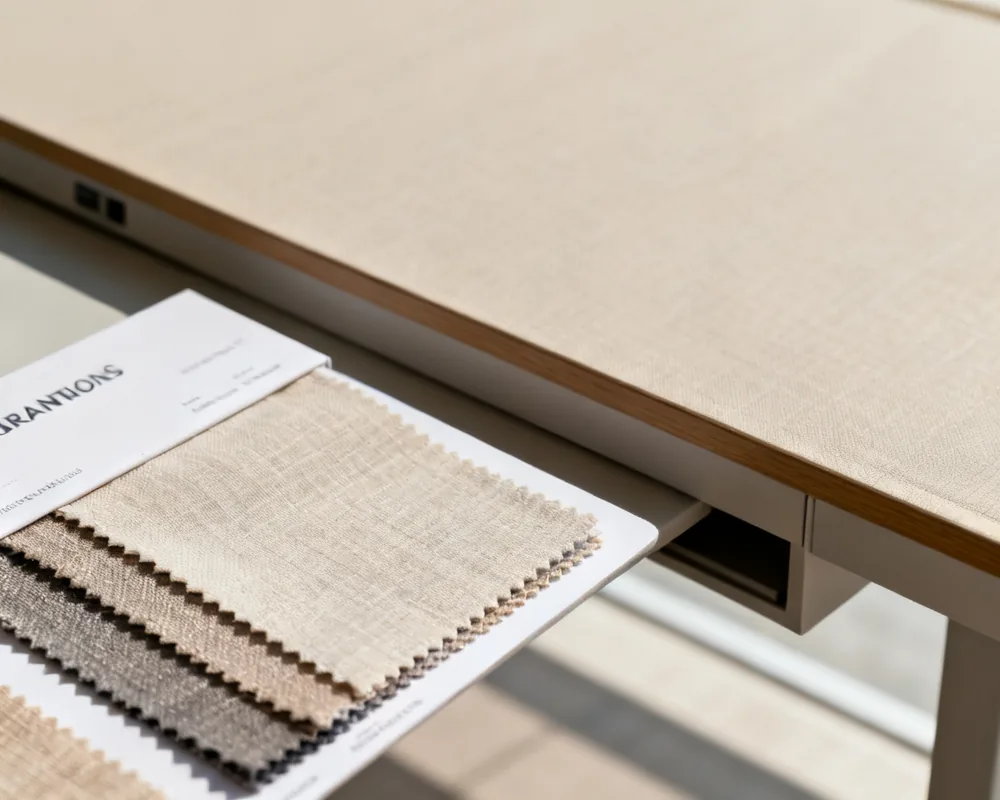
awning cloth swatches beside an unbranded shade material review desk
Environment
Describe sun, rain exposure and the planned cleaning routine.
Experience
Compare transmitted light, surface texture and stripe direction on a specimen.
Processing
Discuss cutting orientation, seam placement and edge treatment with the fabricator.

Questions before an awning cloth approval

Why is GSM not enough?
A heavier cloth can feel substantial, while a lighter construction may suit another cutting or handling brief. GSM alone cannot decide tear strength, colorfastness or the appearance of a finished panel.
How should I describe a sample?
Share the composition reference, construction, usable width and intended use; explain the shade and finish context.
Can test results be compared directly?
Compare the method, specimen state and scope first. Hydrostatic head and water vapor transmission answer different questions; neither measurement establishes the behaviour of a complete sewn shade assembly.